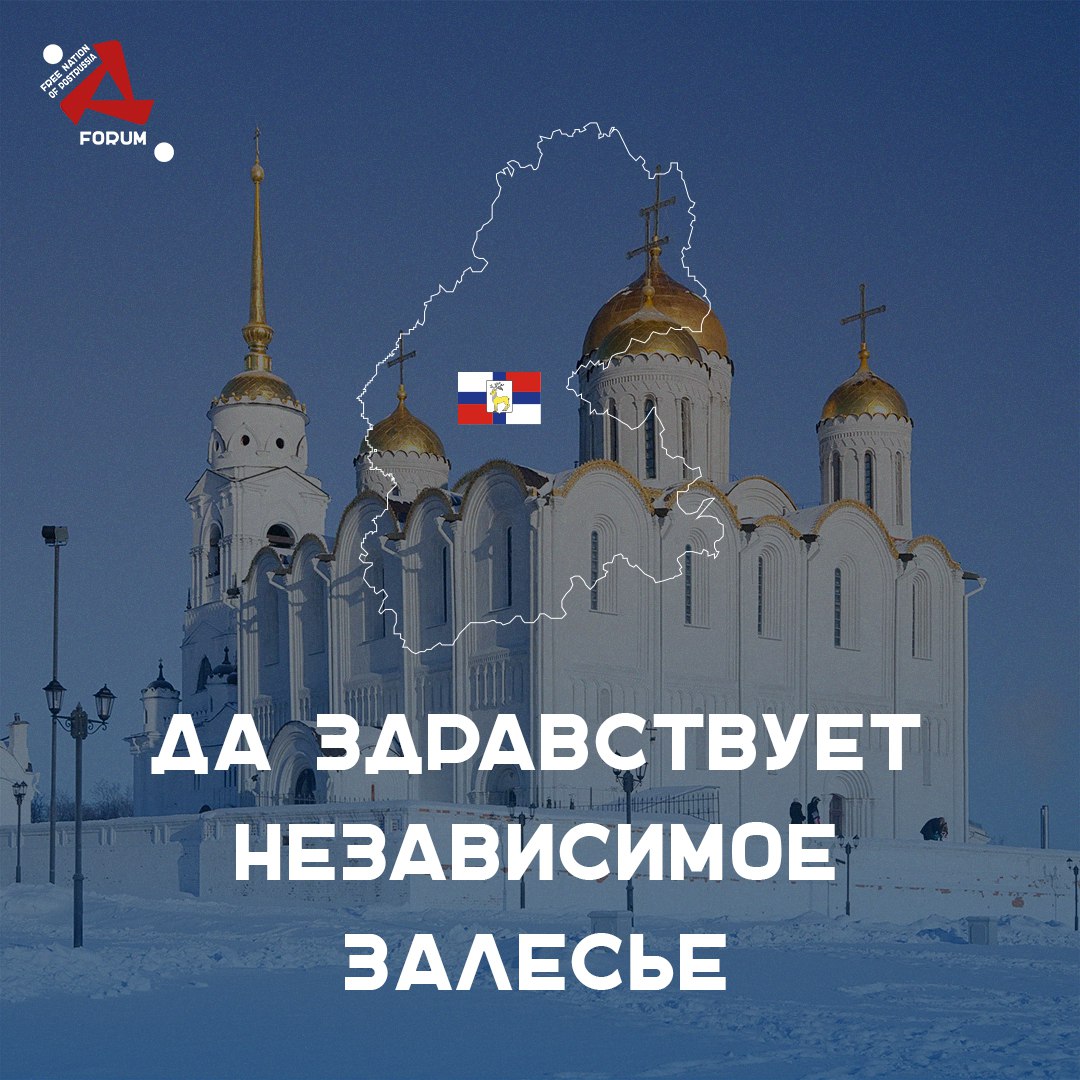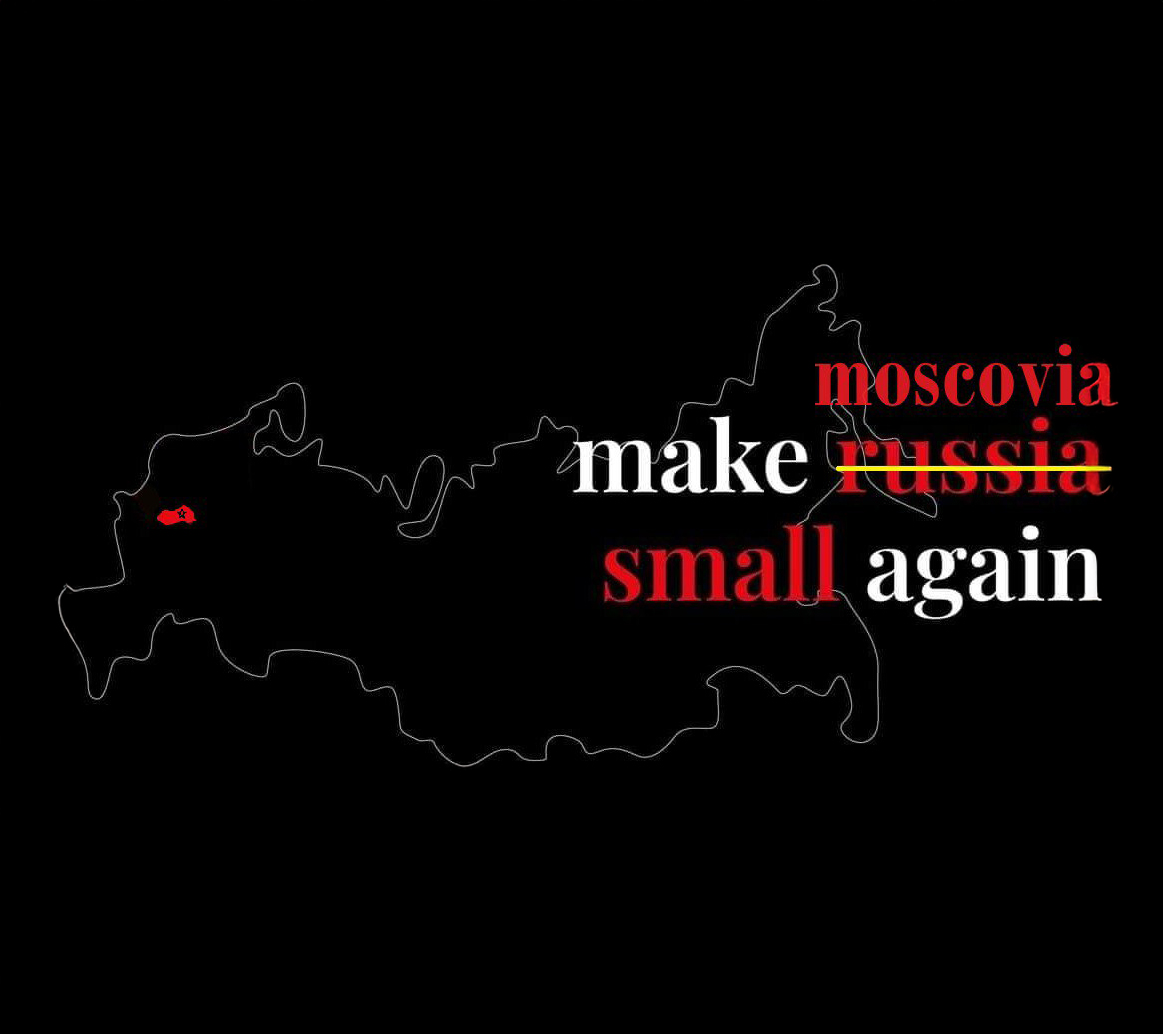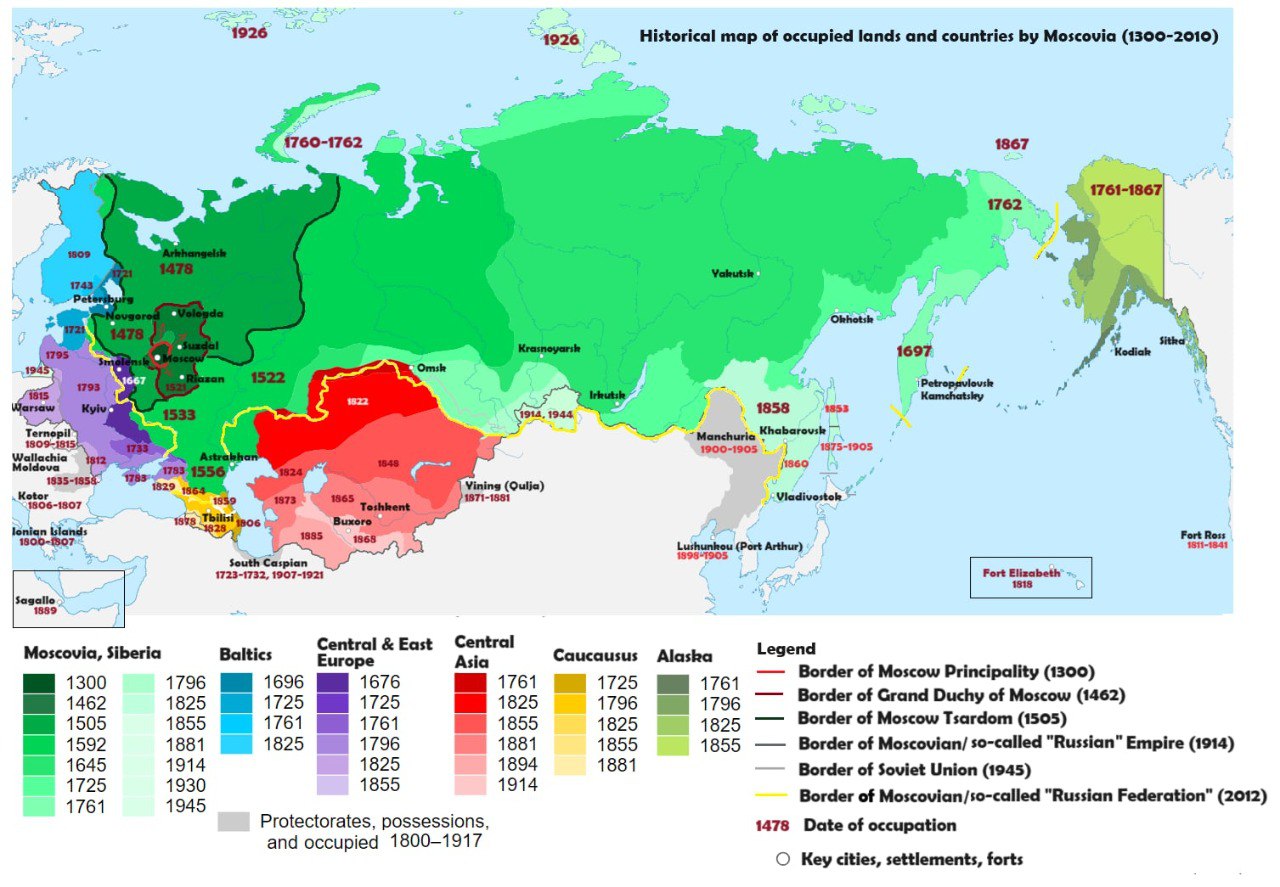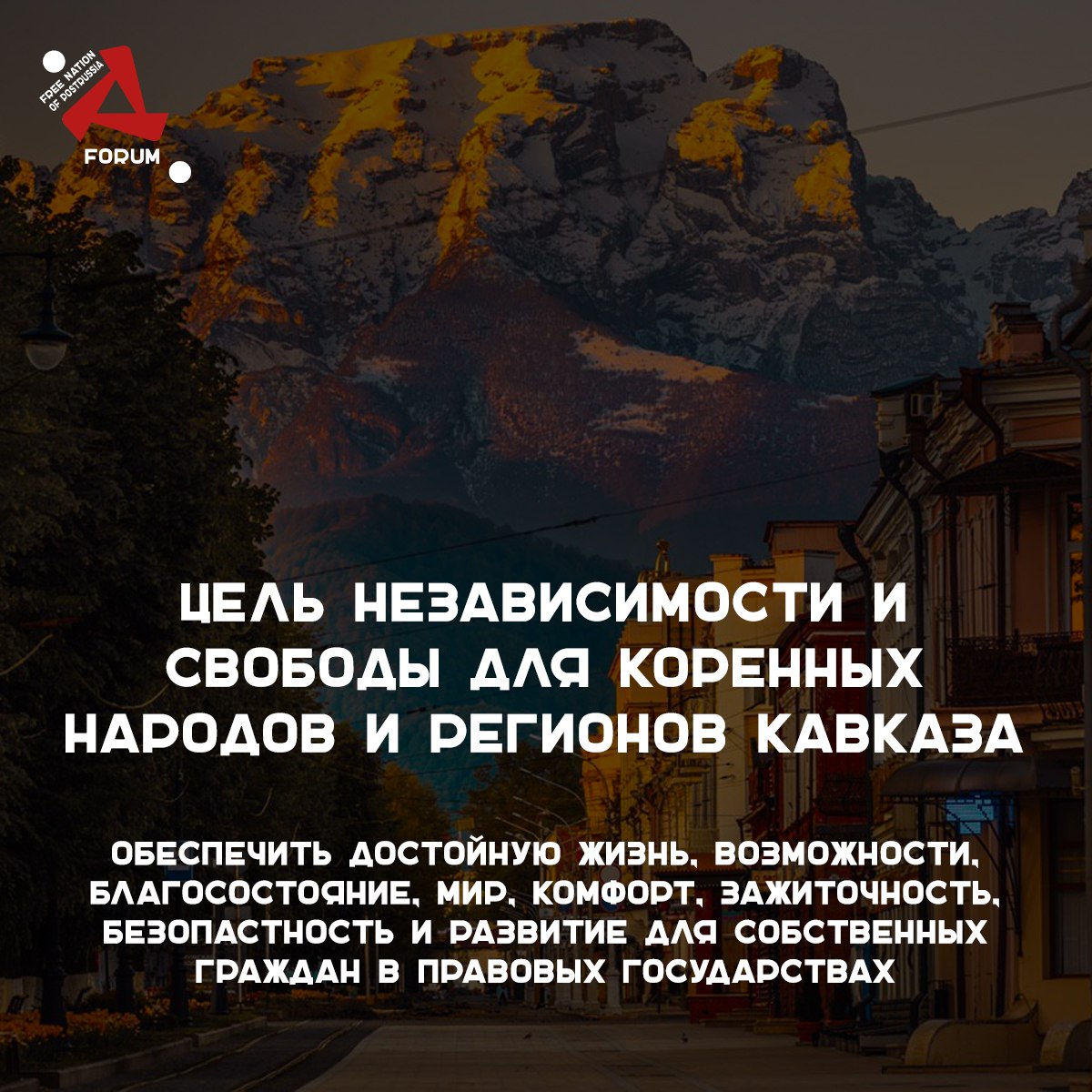
It’s entirely plausible that historical Zalesye – the once remote, forested region of Vladimir-Suzdal Rus – could become the basis for a new state. We’ve already seen how Austria, after 1918, lost control of a vast multiethnic empire yet emerged as a small but functional country. And Turkey, under Mustafa Kemal Atatürk, managed to build a secular nation-state out of the ashes of the Ottoman Empire, despite losing its Balkan, Arab, and Caucasian territories.

Читать >

The Kremlin leadership has long operated under the belief in its unassailable power structure. However, power, by its nature, begins to deteriorate when it isn’t constantly replenished with resources and public support. Modern Russia is increasingly resembling not a centralized state but rather a patchwork of regional enclaves linked to Moscow only by formal declarations of loyalty.

Читать >

There are places where history doesn’t march forward so much as circle back on itself like a train on a loop line – Bashkortostan is one of them. On paper it’s a republic with its own flag, parliament and – once upon a time – even a president. In reality it’s a colony whose “sovereignty” dissolved into Kremlin paperwork long before most people noticed. It’s a post-Soviet phantom: formally a “federal subject”, yet with no real agency; nominally a republican nation, yet still without a voice.

Читать >

When someone insists, “Kaliningrad is part of Russia,” I can’t help but give a wry smile and straighten my bow tie. Geography, my friends, never justifies political vandalism. Kaliningrad isn’t Russia’s far‑flung fringe; it’s a European bridgehead. Königsberg is Kant’s birthplace, not a circus act. It’s a place where civilization ought to announce itself again – boldly, beautifully, decisively.

Читать >